Embrace Customer Favourites in Sofa Repair Trends for 2026
As we approach 2026, the furniture industry continues to evolve, with a strong focus on sustainability, customer preferences, and innovative repair techniques. The sofa, often the centrepiece of the living room, has seen a resurgence in interest regarding its maintenance and aesthetic appeal. Homeowners are more discerning than ever, seeking to combine comfort with style, while also prioritising environmental responsibility. In this landscape, embracing customer favourites in sofa repair trends is essential for businesses aiming to thrive.
Understanding Customer Preferences
To effectively embrace customer favourites, it is crucial to understand the evolving preferences of consumers. The post-pandemic world has seen a shift in how people view their living spaces. Sofas are no longer merely functional items; they are reflections of personal style and comfort. In 2026, consumers are expected to favour bespoke repair services that cater to their individual tastes and requirements. This shift towards personalised solutions means that businesses must adapt their offerings to include a wider range of fabrics, colours, and repair techniques.
Sustainability at the Forefront
Sustainability remains a critical consideration for customers in 2026. Many consumers are now inclined to repair rather than replace their furniture, which aligns with the global push for reducing waste. This trend has led to the emergence of eco-friendly materials and repair methods that not only appeal to environmentally conscious consumers but also enhance the longevity of the sofa. Brands that offer sustainable options, such as recycled fabrics and non-toxic adhesives, are likely to resonate more with customers looking to make responsible choices.
People Also Look For:
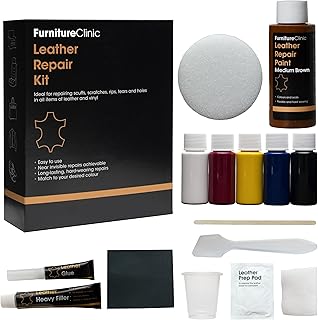
- Self-Adhesive Leather Repair Patches,2PCS 8x11 inch Leather Repair Tape for Couches,Vinyl Fabric Leather Repair Kit for Furniture,...
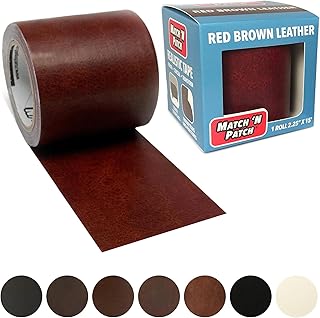
- MATCH 'N PATCH Leather Repair Tape - Realistic Printed Leather Pattern for Vinyl, & Synthetic Repairs, Conceal Rips, Scratches, an...
- Scratch Doctor Leather Colour Restorer Recolouring Balm Repair Treatment for Faded & Worn Absorbent Leather Furniture, Sofas, Chai...
- MastaPlasta Premium Suede & Velvet Repair Patch - Brown 20cm x 10cm (8in x 4in). Self-Adhesive Suede Leather Scratch & Tear Kit, V...
- 5PCS Leather Repair Kit,Leather Filler with Tools,5 Colors Leather Colour Restorer for Sofa,Faux Leather Repair Paste,Used to Repa...
Innovative Repair Techniques
As technology advances, so do the methods used for sofa repairs. In 2026, innovative techniques such as 3D printing and digital upholstery will likely become more mainstream. These advancements allow for precise repairs and customisations that were previously difficult to achieve. For instance, using 3D printing to create missing components of a sofa not only saves time but also ensures that the repair is seamless and aesthetically pleasing. Customers are increasingly drawn to these cutting-edge solutions, viewing them as a way to enhance the overall quality and appearance of their furniture.
Emphasising Comfort and Style
In addition to durability and sustainability, comfort remains a top priority for consumers. Sofas need to be inviting and supportive, and the repair process should enhance these attributes. In 2026, businesses that prioritise comfort during repairs by using high-quality foam and ergonomic designs will be incredibly appealing to customers. Additionally, the aesthetic aspect cannot be overlooked; the right fabric and colour choices can transform a well-loved but worn sofa into a stylish statement piece. Therefore, offering a range of options that blend comfort with contemporary design is essential.
Community Engagement and Customer Loyalty
Building community engagement is another vital trend that businesses should consider adopting in 2026. Customers appreciate brands that listen to their feedback and incorporate their preferences into product offerings. By engaging with customers through surveys and social media, companies can gain valuable insights into what their clientele truly desires. This not only fosters loyalty but also encourages word-of-mouth marketing, which is invaluable in a competitive landscape. Repair services that involve customers in the process, such as allowing them to choose fabrics or design elements, can significantly enhance customer satisfaction.
Future Trends in Sofa Repair
Looking ahead, the trends shaping sofa repair in 2026 will be heavily influenced by the desire for unique, personalised, and sustainable solutions. As consumers continue to seek ways to express their individuality through their living spaces, the demand for customised repair services will grow. This focus on personalisation will require businesses to adapt their practices and offerings accordingly, ensuring they remain relevant in an ever-changing market.